EVesto Partners with Webfleet

EVesto Partners with Webfleet

EVesto is proud to announce its new partnership with Webfleet, Bridgestone’s globally trusted fleet management solution, to bring electric vehicle (EV) charging services to the Webfleet platform. Both teams have worked together to develop a seamless integration that enables fleet managers to add EV charging monitoring capabilities to their existing Webfleet fleet management solutions.

This integration leverages the industry-standard OCPI (Open Charge Point Interface) protocol to provide Webfleet users with comprehensive monitoring of their EV charging infrastructure. Fleet managers will now have a unified overview of their entire fleet, including real-time insights into vehicles and chargers.

This collaboration will help fleets transition smoothly to electric transportation, empowering them to manage EV operations efficiently and ensure fleet optimization.

The ability to monitor EV chargers directly within Webfleet will simplify the integration of e-mobility into fleet operations, allowing businesses to ensure reliable charging, streamline their processes and reduce administrative burdens.

Added Value for Fleet Managers

The integration between EVesto and Webfleet offers a proven and seamless solution based on open protocols. It allows fleet customers to quickly incorporate e-mobility assets into their existing fleet management systems. Fleet managers will benefit from a unified platform that handles vehicle telematics and EV charging infrastructure, resulting in greater transparency and operational efficiency.

Integrating Webfleet with EVesto enhances EV adoption in fleets, giving managers a unified view of assets. Webfleet remains the main hub for fleet managers, while EVesto handles charger operations seamlessly
Riccardo Becker
CMO of EVesto

Harmonizing Electric Vehicles and Energy Systems

EVesto Partners with Webfleet

In a world swiftly pivoting towards electric vehicles (EVs), harmonizing EVs with our existing energy systems can’t be understated. As EV adoption surges, the onus falls on innovations within Smart Grid Technologies to ensure seamless integration. Charge point management software emerges as a critical player in addressing the multifaceted challenges that the integration of EVs into the power grid presents. There are several strategies and features that can be implemented in charge point management software to help tackle these issues.

The Impact of EVs on The Grid
The ascent of electric vehicles (EVs) heralds a new era of mobility but also presents challenges for our existing power grids. The surge in electricity demand due to EV charging can strain the grid, especially during peak hours. Moreover, the localized demand spikes can affect the distribution infrastructure, potentially leading to overloads and outages if managed properly. However, with smart grid technologies, these challenges can be transformed into opportunities.

How EVs and smart grid technologies interact:

  • Load Management: Smart charging mitigates grid overloading risks by scheduling charging during off-peak hours or redistributing the load.
  • Vehicle-to-Grid (V2G) Integration: EVs act as mobile energy storage, feeding energy back into the grid during high-demand periods and charging during low demand.
  • Renewable Energy Integration: EVs absorb excess renewable energy, aiding in the creation of a resilient and sustainable energy ecosystem.
  • Infrastructure Upgrades: The growing EV adoption necessitates more charging stations and distribution network enhancements
  • Data Analytics and Predictive Maintenance: Predictive analytics optimize charging schedules and forecast demand, bolstering grid stability and reliability.

These interactions between EVs and smart grid technologies are vital for transitioning to a sustainable and electrified transportation ecosystem, unlocking the full potential of EVs in harmony with the grid.

At EVesto, we not only empower our clients with actionable data for load balancing, smart charging, predictive analytics, and strategic infrastructure planning but also prioritize cybersecurity. We’re deeply committed to ensuring grid stability and protecting against cyber threats.

Deep dive into strategies and features that can be incorporated:

  • Demand Response Management:
  • Load Balancing: Implementing sophisticated algorithms to distribute the charging load evenly across the grid, averting overloads during peak hours.
  • Dynamic Pricing: In developing stages, dynamic pricing can incentivize off-peak charging by offering lower rates during low demand.
  • Integration with Renewable Energy Sources:
  • Green Charging: Prioritize charging from renewable energy sources to reduce the carbon footprint of EV charging.
  • Energy Storage Integration: Integrate with energy storage systems to store renewable energy for later use in charging.
  • Smart Charging:
  • Scheduled Charging: Allowing users to schedule their charging sessions during off-peak hours significantly reduces grid strain.
  • V2G (Vehicle-to-Grid) Integration: V2G capabilities enable EVs to feed energy back into the grid during high demand, promoting a bidirectional energy flow.
  • Predictive Analytics:
  • Forecasting: Harnessing data analytics to forecast demand patterns, aiding in the optimization of grid operations
  • Predictive Maintenance: Utilizing predictive algorithms, CPOs can anticipate and pre-empt issues before they occur, ensuring a smooth operation.
  • Infrastructure Planning:
  • Optimal Site Selection: Data analytics can spotlight optimal locations for new charging stations based on demand patterns and grid capacity, ensuring the infrastructure grows intelligently with the demand
  • Interoperability and Standardization:
  • Open Standards: Although yet to be fully realized, adopting open standards can ensure interoperability between charging networks and grid systems.
  • API Integration: Open APIs can facilitate integration with other systems, creating a cohesive ecosystem.
  • Remote Monitoring and Control:
  • Real-Time Monitoring: Real-time monitoring of charging stations can swiftly identify and address issues.
  • Remote Control: Enabling remote control of charging stations can manage load and avert grid instability.

Collaborating with innovative partners is key to moving towards Grid Harmony. Our partnership with Ampcontrol is a big part of this. The technical work we do together opens up many benefits for our customers, like lower energy costs and reliable charging, thanks to Ampcontrol’s smart charging and energy management software.

Here’s how this collaboration helps in achieving Grid Harmony:

  • Optimized Charging: Ampcontrol’s software smartly schedules charging times, avoiding high energy use during peak hours, which lowers costs for our customers.
  • Peak Demand Shaving: The software helps avoid energy use during peak times, which is good for the grid and EV owners. This reduces grid stress and lowers energy bills.
  • Better Energy Management: Ampcontrol’s energy management aligns well with EVesto’s goal of a sustainable and reliable energy system. This helps tackle the challenges of integrating EVs into the grid.
  • Data-Driven Insights: Combining data from both platforms helps in planning and making sure the charging system grows well with the increasing EV market.
  • Benefits for Customers: This partnership offers customers a strong, cost-effective, and reliable charging solution, making EV charging easy and beneficial.

Also, as we use more data, EVesto’s strong security measures protect against cyber threats. Our blog post discusses our strong focus on EV charger security and keeping data safe.

Working with Ampcontrol and other EMS solutions brings us closer to a future where smart grid tech and electric vehicles blend well, creating a balanced, sustainable energy setup. This partnership not only tackles current challenges but also sets a solid base for the promising path ahead in EV space, making it easier for our customers to move towards grid harmony.

At EVesto, we are at the forefront of delving into and implementing smart grid technologies to weave a harmonious interaction between EVs and the power grid. Our relentless efforts in advancing charge point management software mirror our unwavering commitment to nurturing a sustainable and reliable energy ecosystem. The path towards Grid Harmony is spread with challenges and opportunities, and we at EVesto are steadfast in our resolve to navigate through them, carving out a greener future for all.

This blog highlights how EVs affect the grid and how smart grid technologies, driven by innovative strategies, play a key role in creating a smooth connection between the grid and EVs. As we move forward, combining these technologies will help overcome challenges and lay the groundwork for a more sustainable and electrified transportation future.

Energy Management Systems and the Future of Mobility

Energy Management Systems and the Future of Mobility

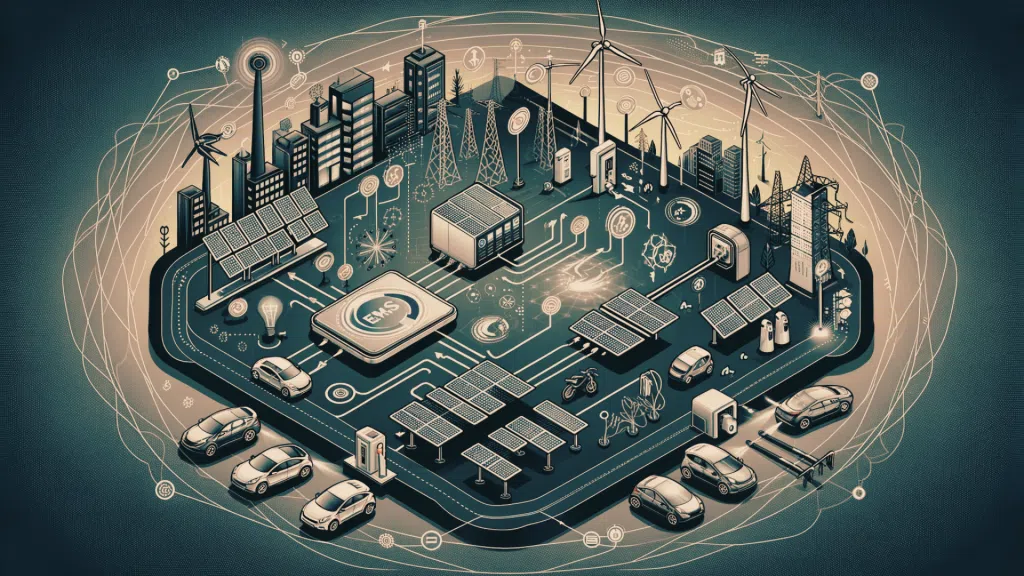
The advancement of electric mobility heralds a new era in transportation, intertwining technology and sustainability. Central to this transformation is the role of Energy Management Systems (EMS) and Charge Point Management Systems (CPMS), such as EVesto, which are pivotal in orchestrating this shift. This blog will explore the essence of EMS, its integration with Open Automated Demand Response (OpenADR), and the crucial role of EMS in optimizing electric mobility. We will delve into how these systems streamline energy usage, enhance grid stability, and shape the future of electric transportation.

Understanding Energy Management Systems (EMS)

An Energy Management System (EMS) is a technology platform used to monitor, control, and optimize the performance of energy generation and consumption. The primary objective of an EMS is to achieve and maintain optimum energy procurement and utilization throughout an organization to minimize energy costs and environmental impact while ensuring continuous energy supply.

The connection between OpenADR, CPMS, and electric mobility is crucial in modern energy systems. OpenADR provides a standardized framework for automated demand response, which is a key component of an EMS. It allows for the real-time and automated adjustment of energy consumption in response to grid conditions, contributing significantly to grid stability and efficiency.

In the case of CPMS, integrating OpenADR means that the charging of electric vehicles can be managed more dynamically and responsively. For instance, EVesto from Longship.io, as a CPMS, can utilize OpenADR standards to adjust charging schedules based on grid demands, effectively turning electric vehicles into grid-responsive assets. This helps balance the load on the grid and optimizes the energy costs for users.

Electric mobility, represented by the growing number of electric vehicles, introduces a significant and flexible load to the grid. Integrating CPMS like EVesto with OpenADR makes it possible to manage this load in a way that supports grid operations. For example, during high renewable energy generation or low demand periods, electric vehicles can be charged at maximum rates. Conversely, charging can be slowed down or paused during peak demand or low renewable generation.

This integration also supports the development of smart cities and sustainable energy practices. As electric vehicles become more widespread, their integration into the energy system becomes critical. CPMS, with OpenADR capabilities, can turn EV charging stations into intelligent energy assets, contributing to more sustainable and efficient energy utilization.

Harnessing Energy Management in Electric Mobility
Electric Mobility Solutions are revolutionizing the way we approach transportation, and at the heart of this transformation is the critical role of Energy Management Systems (EMS). EMS in electric mobility isn’t just about fuel efficiency; it’s about orchestrating the entire ecosystem of electric vehicles (EVs), charging stations, and energy resources. A smart EMS is pivotal in optimizing energy usage by employing advanced algorithms and cloud-based technologies. These systems consider various factors, such as the state of the electricity grid, the availability of renewable energy sources, energy pricing, and specific user requirements. This optimization is essential for balancing energy demand on the grid, especially as EV adoption surges.

Optimizing Charging Infrastructure with EMS

One of the key challenges in electric mobility is the efficient utilization of the EV charging infrastructure. EMS addresses this by optimizing existing charging stations, ensuring they do not overburden the power grid. By analyzing energy consumption patterns, renewable energy generation, and energy costs, EMS can maximize the efficiency of the charging infrastructure. This strategic approach helps minimize the need for expensive infrastructure upgrades and enhances the reliability and accessibility of EV charging stations.

Load Balancing and Grid Stability

EMS also plays a critical role in balancing load, which is crucial for preventing grid overload. By adjusting EV charging times to off-peak periods, EMS helps maintain grid stability and reliability. This strategy is particularly beneficial in optimizing renewable energy sources like wind and solar, aligning EV charging with times when renewable power generation is at its peak.

Charge Point Management Systems

A CPMS like EVesto is an advanced EMS component tailored to meet the needs of the electric mobility sector. It connects the electricity grid, charging stations, and EVs, providing charge point operators with seamless management and monitoring tools.

EVesto’s Role in Energy Management

The progression towards a greener future in electric mobility relies heavily on the seamless integration of EMS and electric vehicle chargers. EMS is the mastermind behind energy optimization, meticulously designing charging profiles that align with energy availability, grid demands, and sustainability goals.

EVesto operates at the heart of this energy ecosystem, providing critical data to EMS, which is then used to craft precise charging profiles. This collaboration is facilitated through EVesto’s robust API, which serves as the conduit for these profiles, transferring the strategic plans from EMS to the chargers’ doorstep.

By supplying essential data points collected from the CPMS, EVesto empowers EMS to create sophisticated and dynamic charging schedules. These schedules are then communicated back to the charger, ensuring that the flow of energy to the chargers is finely tuned to the conditions and requirements of the moment.

This intricate dance between EVesto and EMS exemplifies a partnership beyond simple data transfer; it’s a testament to the power of integrated technology solutions working in concert. For Charge Point Operators, this means access to a cutting-edge platform that provides data and acts on the intelligent strategies developed by EMS.

The impact of this functionality extends across the entire mobility sector. It enables a more robust and responsive charging infrastructure, which is fundamental for the growth of the EV ecosystem. As EVesto and EMS work together, they create a dynamic charging network that is efficient and adaptive to the changing energy management landscape.

As we look to the future, the role of EVesto in this energy dialogue is indispensable. It stands as an example of integration and efficiency, ensuring that the strategies devised by EMS are not just visionary but are brought to life, charge by charge, across a network of electric vehicles and charging stations.